Livingborderlessly
Latest News
|Livingborderlessly
Latest News

Subscribe

digital nomad destinations in Papua New Guinea Port Moresb

|

Livingborderlessly

Archives

digital nomad destinations in Papua New Guinea Port Moresb

SIGN UP FOR OUR NEWSLETTER

Papua New Guinea Port Moresb: Cultural Riches, Digital Promise.

The Pacific's Most Challenging and Rewarding Destination.

Papua New Guinea  stands as a unique and challenging destination for digital nomads seeking an off-the-beaten-path experience. With over 800 languages spoken, it boasts unparalleled cultural diversity. Traditional customs, such as subsistence farming and vibrant sing-sing festivals, remain integral to daily life.


Papua New Guinea is not a typical digital nomad destination. In fact, it's not a popular destination for digital nomads at all. But for those willing to venture off the beaten path, the rewards are immense.


The country is home to over 800 languages, more than any other nation on earth, and a cultural diversity that is staggering. Traditional customs are still practiced daily, from subsistence farming to elaborate sing-sing festivals where tribes gather in spectacular traditional dress.


The Truth


Most people think Papua New Guinea means tribal warfare, impenetrable jungle, and no connectivity whatsoever. Papua New Guinea reveals a far more nuanced reality. This is one of the most culturally diverse nations on earth, with over 800 languages and traditions that have survived for millennia. It's a place where the digital economy is being deliberately built, with new submarine cables landing and government policies supporting online creators. It's challenging, yes, but also incredibly rewarding.


The cost of living is genuinely low, approximately 55% cheaper than Guam without rent, and a monthly budget of $1,000 is feasible for a solo nomad.


The country is actively investing in its digital future. The PPC-1 cable, upgraded to 12 Tbps capacity in 2021, and the CS2 cable provide international bandwidth. The government's whole-of-government approach to digital policy is creating the necessary frameworks for the digital economy to flourish.


The trade-offs are significant and must be understood:


Internet, while improving, is still developing. Average speeds in Port Moresby are around 10-15 Mbps . While the new submarine cables provide massive international bandwidth, last-mile connectivity varies. Internet plans offering 50+ Mbps can cost around $212 monthly.


No digital nomad visa exists. Foreign nationals working remotely for overseas companies may enter under tourist visas, provided they don't engage in local employment. For longer stays, employers must sponsor work permits through a multi-step process involving the Department of Labor and Industrial Relations and the Immigration and Citizenship Authority.


Security is a genuine concern. Port Moresby has a reputation for crime, and expats typically live in secure compounds or guarded apartment buildings. This is reflected in the dramatic price difference between city center apartments and those outside ($3,146 vs. $471) because the "center" includes secure, expat-friendly areas.


Infrastructure outside major centers is limited. While Port Moresby has amenities, venturing to the Highlands or outer islands requires significant planning and preparation.


The climate is tropical and intense. Papua New Guinea experiences high humidity and rainfall, with the wet season typically running from December to March.


For remote workers who value authentic cultural experiences, who aren't fazed by infrastructure challenges, and who want to be present at the dawn of a nation's digital transformation, Papua New Guinea offers something truly unique.

What's the cost?

Budget-Friendly Stays and Visas

Papua New Guinea does not currently offer a specific digital nomad visa. Here's what you need to know:


  • Tourist entry: Foreign nationals working remotely for overseas companies may be able to enter under tourist visas, as long as they do not engage in local employment or business activities. Requirements typically include a valid passport with at least six months' validity, proof of sufficient funds, and health insurance covering the duration of stay.


  • Work permits for longer stays: Foreign nationals intending to work in PNG must obtain a work permit. This requires an employer to demonstrate that the position cannot be filled by a suitably qualified Papua New Guinean citizen. The process is employer-led and typically takes 4-6 weeks for the work permit, followed by visa application.


  • Work permit types: Common permits include the Employment Visa (PGK 100) and the Temporary Work Visa (PGK 200). Permits are typically tied to specific employers and locations.


  • Application process: The employer must gather corporate documentation, collect the candidate's personal and professional documents, submit the work permit application to the Department of Labor and Industrial Relations, pay applicable fees, and respond to information requests. Once the work permit is granted, the employee applies for the corresponding employment visa at a PNG diplomatic mission.


  • Processing timeline: Work permits typically take 4-6 weeks. The full process, including visa issuance, can take 8-10 weeks.


  • Independent contractors: Need to follow a different process and must apply for a business visa or self-employment status.


  • Tax implications: Corporate tax is 30%, VAT is 10% GST, and the highest personal income tax bracket is 42%. If you stay long-term, tax residency may apply.


Pro tip: Currently, the simplest option for digital nomads is tourist entry for shorter stays. For longer-term plans, work with an employer or partner in PNG who can navigate the work permit process. The country's digital economy is growing, and opportunities may exist in the tech sector.


💰 The Real Numbers


AVERAGE DAILY COST: $30-50 per person, per day
MONTHLY AVERAGE: $1,500-$2,200 (comfortable), $1,000-$1,400 (budget)


Monthly Cost Breakdown (Port Moresby vs. Melbourne)
Category Melbourne, Australia Port Moresby, PNG Monthly Savings
ACCOMMODATION 1BR Apartment $2,200 $1,500 (secure area) $700
FOOD & DINING Groceries + Eating Out $800 $400 $400
TRANSPORTATION Taxis/Rides $500 $100 $400
HEALTH INSURANCE: International Plan $350 $120 $230
FITNESS Gym Membership $70 $60 $10
ENTERTAINMENT Culture & Dining $400 $150 $250
INTERNET & PHONE: Fiber + Mobile $90 $200 (higher cost, lower speed) -$110
TOTAL $4,410 $2,530 $1,880


ANNUAL SAVINGS: $22,560

What's happening?

Things to Do in Papua New Guinea

What You Need to Know


Cultural respect:

  • Papua New Guinea has over 800 languages and incredible cultural diversity; approach it with humility and genuine curiosity.

  • Dress modestly, especially when visiting villages or attending cultural events.

  • The Goroka Show and other cultural festivals are highlights, plan your visit accordingly.

  • Expats often meet people through work, local events, churches, and social clubs like the Port Moresby Expatriate Club.

  • Learn basic phrases in Tok Pisin, the lingua franca, to build rapport.

  • Be aware of local customs regarding gift-giving and avoid inappropriate or offensive gifts.


Health and safety:

  • Security is a genuine concern. Port Moresby has crime issues, and expats typically live in secure compounds. Take precautions, avoid walking alone at night, and seek local advice.


  • Best hospital: Pacific International Hospital for medical emergencies.

  • Tap water is not drinkable; bottled water is recommended.

  • Healthcare services: A public system is available, but quality varies; private healthcare offers better quality.

  • Travel insurance with medical evacuation is strongly recommended and essential, given the remote location.

  • Dengue fever and other tropical diseases are present; use mosquito repellent.


🏞️ Key Experiences


Goroka Show 🎭
One of the most spectacular cultural events on earth, the Goroka Show brings together hundreds of tribes from across the Papua New Guinea Highlands. Dancers in astonishing traditional dress, elaborate headdresses of bird of paradise feathers, shell necklaces, painted faces, and body paint gather to perform songs that have been passed down for generations. Each tribe has its unique style, rhythm, and costume. The air fills with drumming, chanting, and the energy of thousands celebrating their heritage. The show typically takes place in September, attracting visitors from around the world. Beyond the performances, the Goroka Show is a reminder of the incredible diversity of this nation: over 800 languages and cultures coexisting and celebrating together. For anyone interested in anthropology, photography, or simply experiencing something profoundly different, this is unmissable.


Port Moresby Nature Park 🌿
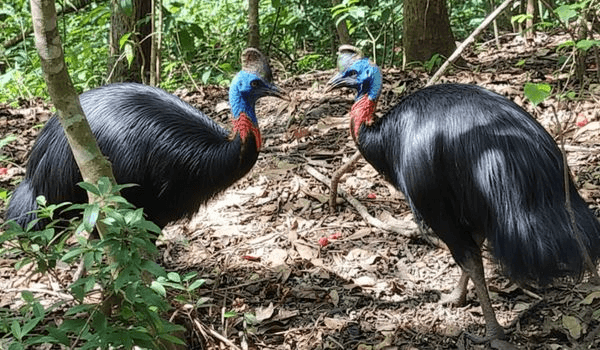
In the heart of the capital, this 30-acre nature park offers a sanctuary of greenery and wildlife. It's home to over 550 animals representing 150 species, including tree kangaroos, cassowaries, and the iconic Birds of Paradise. The park is beautifully landscaped with walking trails, orchids, and themed gardens. It's not just a tourist attraction, it's where Port Moresby residents come for respite from the city. The park's conservation work is significant, breeding endangered species and educating the public about Papua New Guinea's incredible biodiversity. Guided tours available. Entry is modest. A reminder that this country's natural wealth rivals its cultural wealth, and both are extraordinary.


Varirata National Park 🦜
Papua New Guinea's first national park, established in 1973, lies just outside Port Moresby in the Sogeri Plateau. The park covers 1,000 hectares of rainforest and offers walking trails, picnic areas, and spectacular views over the coast and mountains. It's prime birdwatching territory, the Raggiana Bird of Paradise (the national emblem) can be spotted here, along with kingfishers, hornbills, and dozens of other species. The rainforest is alive with butterflies, orchids, and towering trees. The drive up from Port Moresby takes about an hour and is an adventure in itself, with switchbacks climbing through jungle. For a dose of nature without leaving the Port Moresby region, Varirata is essential.


Kokoda Track ⛰️
For serious trekkers, the Kokoda Track is a pilgrimage. This 96-kilometer trail through the Owen Stanley Range follows the route of one of World War II's most brutal campaigns, where Australian and Japanese forces fought in horrific jungle conditions. Today, it's one of the world's great treks, a 5-10 day journey through remote villages, dense jungle, and stunning mountain scenery. You'll cross rushing rivers, climb steep ridges, and sleep in village guesthouses. Local guides are essential and provide insight into both the wartime history and contemporary village life. The track demands fitness and preparation, but the rewards are immense: physical challenge, historical resonance, and immersion in Papua New Guinea's highlands that few travelers ever experience.

Want More Savings?

Tips & Tricks

👥 The Community


Emerging nomad scene: Papua New Guinea is not a popular digital nomad destination, but it's becoming increasingly recognized for its potential. The most popular cities for digital nomads are Port Moresby, Lae, and Madang. The community is small but growing, drawn by low cost of living, cultural diversity, and beautiful landscapes. Coworking spaces like Emstret Space and The Hive are creating hubs for entrepreneurs and remote workers. The Port Moresby Expatriate Club organizes events and activities for expats.


Coworking Culture: Emstret Space, founded in 2019, is the first coworking space in PNG. Located in Gordons, Port Moresby, it offers flexible desking, unlimited uninterrupted internet, and business support services, including coaching, mentoring, and training. Monthly events and conferencing facilities aim at enhancing business and networking opportunities. The Hive is another popular option with fast internet and networking.


Expat Community: Expats in Papua New Guinea often join clubs and activities such as golf, tennis, sailing, and rugby. Social clubs like the Port Moresby Expatriate Club organize events and activities. Expats also meet people through work, attending local events, or joining local churches or other religious organizations. Local festivals, such as the Goroka Show, provide opportunities to connect with both expats and locals.


Language Learning: Tok Pisin is the lingua franca, a creole language with an English base mixed with German, indigenous languages, and unique expressions. Learning basics helps immensely: "Gut de" (good day), "Tenk yu" (thank you), and "Lukim yu" (see you later). Hiri Motu is also spoken in some regions. English is an official language and used in business and government, but outside major centers, Tok Pisin is essential.


✈️ Your Next Steps


  1. Join Communities: Facebook groups for expats in Papua New Guinea. Connect with Emstret Space through their LinkedIn for coworking and networking opportunities. Reach out to the Port Moresby Expatriate Club.


  1. Book 3-4 Weeks: Book on the app below. Don't commit long-term without experiencing Port Moresby firsthand. The city is challenging and not for everyone. Use this time to assess security arrangements, test the internet, and explore whether the lifestyle works for you.


  1. Time Your Visit: Best from May to October (dry season) when the weather is more favorable. The Goroka Show takes place in September, an ideal time to experience PNG's cultural richness. Avoid the wet season (December-March) when travel becomes more difficult.


 Answer to Travel Trivia 💡


Answer: C) 800-850. Papua New Guinea is home to over 800 distinct languages, representing approximately 12% of the world's total languages despite having less than 0.1% of the global population. This incredible linguistic diversity results from the country's rugged terrain, mountain ranges, and deep valleys isolating communities for millennia, allowing languages to develop independently. Most of these languages have fewer than 1,000 speakers, and many are endangered. The three official languages of Papua New Guinea are Tok Pisin, Hiri Motu, and English, which serve as lingua francas connecting this tapestry of cultures.

Have fun learning geoarbitrage!! 🌍


See related articles from us...

Livingborderlessly

© 2026 Livingborderlessly.

© 2026 Livingborderlessly.