Digital nomad visa Philippines and remote work possibilities in the Philippines
Insights on Philippines cost of living and Manila digital nomads
The Philippines has long been perceived as a destination with challenges for remote work, including concerns about internet speed, infrastructure, and natural disasters. However, this archipelago of over 7,000 islands offers a more nuanced reality. With English as an official language and a culture renowned for its hospitality, the country is actively enhancing its digital infrastructure to support the growing community of remote workers.
In April 2025, the Philippine government introduced the Digital Nomad Visa through Executive Order No. 86, allowing foreign remote workers to reside in the country for up to one year, with the possibility of renewal for an additional year. This initiative aims to attract global talent and boost the local economy. Applicants must demonstrate proof of foreign employment, an annual income of at least $24,000, valid health insurance, and a clean criminal record. The visa prohibits local employment and requires that income be sourced from outside the Philippines. Processing times range from 6 to 12 weeks, with fees between $200 and $300. As of April 2026, the program is fully operational, providing a legal framework for digital nomads seeking extended stays in the country.
The cost of living in the Philippines offers significant value for remote workers. Comfortable living can be achieved on a monthly budget of $1,000 to $1,500. For instance, modern one-bedroom apartments in central areas like Cebu's IT Park are available for $400 to $600 per month. Dining at local eateries costs approximately $2 to $3 per meal, while mid-range restaurant dinners range from $10 to $20 per person. Transportation is affordable, with jeepney rides costing around $0.25 and taxi fares across the city ranging from $2 to $6. High-speed fiber internet services, offering speeds of 100 to 300 Mbps, are available for $30 to $50 per month, ensuring reliable connectivity for remote work.
Manila, the capital city, has emerged as a prominent hub for digital nomads, particularly in districts like Bonifacio Global City (BGC) and Makati. BGC is known for its modern infrastructure, pedestrian-friendly streets, and a plethora of coworking spaces and cafes catering to remote workers. Makati offers a blend of business and cultural experiences, with numerous coworking spaces and a vibrant nightlife. Both areas provide reliable high-speed internet, a variety of dining options, and a strong sense of community among digital nomads.
While the Philippines presents numerous advantages for digital nomads, it's essential to consider certain challenges. Internet speeds, although improving, can fluctuate, especially during peak hours. It's advisable to have backup options, such as multiple service providers or mobile hotspots, to maintain consistent connectivity. Infrastructure quality varies outside major cities; while urban centers like Cebu and Manila offer world-class amenities, smaller islands may experience limited internet access and power fluctuations. The country is also prone to typhoons and flooding, particularly during the rainy season from June to November, which can disrupt daily life and utilities. Additionally, traffic congestion in Manila is notorious, with short trips potentially extending to hours during peak times. Choosing accommodations close to coworking spaces can mitigate commuting challenges.
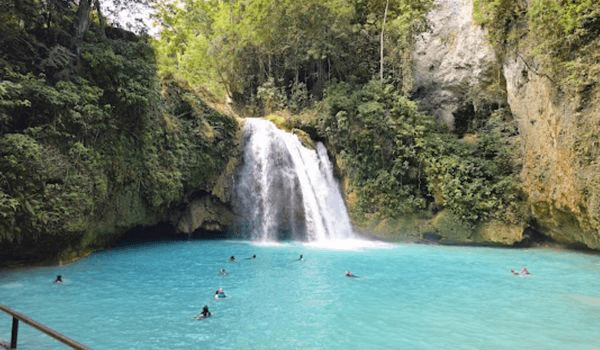
For remote workers seeking a blend of natural beauty, cultural richness, and the opportunity to be part of a nation's digital transformation, the Philippines offers a compelling destination. With its diverse landscapes, from bustling urban centers to serene beaches, and a supportive environment for digital nomads, the country provides a unique setting for both work and exploration.
The introduction of the Digital Nomad Visa in 2025 has streamlined the process for remote workers to legally reside in the Philippines. Applicants must be at least 18 years old, employed by or own a business based outside the Philippines, and provide proof of an annual income of at least $24,000. Additional requirements include valid health insurance, a clean criminal record, and payment of application fees ranging from $200 to $300. The visa prohibits local employment and ensures that income is sourced from foreign entities. Processing times typically range from 6 to 12 weeks. The application process involves submitting the necessary documents through the Philippine Bureau of Immigration, either online or at immigration offices within the country. Many digital nomads opt to enter the Philippines on a 30-day tourist visa to explore various locations before committing to a longer stay under the Digital Nomad Visa.
The cost of living in the Philippines is attractive for digital nomads. A comfortable lifestyle can be maintained on a monthly budget of $1,000 to $1,500. Housing options vary, with modern one-bedroom apartments in central areas like Cebu's IT Park available for $400 to $600 per month. Dining at local eateries costs approximately $2 to $3 per meal, while mid-range restaurant dinners range from $10 to $20 per person. Transportation is affordable, with jeepney rides costing around $0.25 and taxi fares across the city ranging from $2 to $6. High-speed fiber internet services, offering speeds of 100 to 300 Mbps, are available for $30 to $50 per month, ensuring reliable connectivity for remote work.
Manila has become a focal point for digital nomads, particularly in districts like Bonifacio Global City (BGC) and Makati. BGC is renowned for its modern infrastructure, pedestrian-friendly streets, and a plethora of coworking spaces and cafes catering to remote workers. Makati offers a blend of business and cultural experiences, with numerous coworking spaces and a vibrant nightlife. Both areas provide reliable high-speed internet, a variety of dining options, and a strong sense of community among digital nomads.
While the Philippines offers numerous advantages for digital nomads, it's essential to consider certain challenges. Internet speeds, although improving, can fluctuate, especially during peak hours. It's advisable to have backup options, such as multiple service providers or mobile hotspots, to maintain consistent connectivity. Infrastructure quality varies outside major cities; while urban centers like Cebu and Manila offer world-class amenities, smaller islands may experience limited internet access and power fluctuations. The country is also prone to typhoons and flooding, particularly during the rainy season from June to November, which can disrupt daily life and utilities. Additionally, traffic congestion in Manila is notorious, with short trips potentially extending to hours during peak times. Choosing accommodations close to coworking spaces can mitigate commuting challenges.
For remote workers seeking a blend of natural beauty, cultural richness, and the opportunity to be part of a nation's digital transformation, the Philippines offers a compelling destination. With its diverse landscapes, from bustling urban centers to serene beaches, and a supportive environment for digital nomads, the country provides a unique setting for both work and exploration. |
0 Comments
Join the conversation
Be the first to comment
Share your thoughts above.