
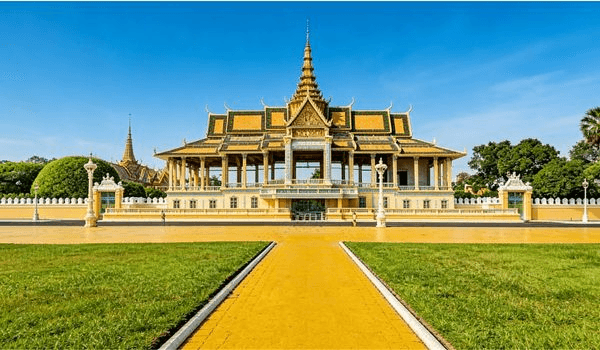
Discover Cambodia: Ancient Temples, River Towns & Local Life
Explore the heart of Cambodia, from the ancient temples of Angkor to its charming river towns and warm local communities. Your guide to an affordable adventure.
There is a rhythm to Cambodia that you won’t find in a guidebook.
It’s the gentle lapping of the Mekong River against the shore in a sleepy town, the sizzle of street food in a crowded market, and the genuine, unwavering warmth of a Khmer smile.
While the colossal stone faces of Angkor Wat rightly draw the world’s attention, the true essence of this resilient nation unfolds in the quieter moments and unexpected corners.
This is a country where ancient history and a forward-looking spirit create a compelling, unforgettable experience.
Life here is lived on the streets, in the open-air cafés, and within the vibrant chaos of local markets, offering a journey that is as much about human connection as it is about sightseeing.
And perhaps most remarkably, it remains incredibly accessible, a place where a few dollars can unlock profound experiences.
The Heartbeat of the Cities: Phnom Penh and Siem Reap
Your Cambodian adventure will likely begin or end in one of its two main urban hubs: Phnom Penh or Siem Reap.
Phnom Penh, the capital, is a city of captivating contrasts.
French colonial architecture stands beside glittering temples and modern skyscrapers, all set against the backdrop of the mighty Mekong.
For a comfortable and central base, the BKK1 district is an excellent choice, known for its leafy streets, international restaurants, and boutique hotels.
Don't miss a visit to the sprawling Russian Market (Psar Toul Tom Poung), a labyrinth of stalls selling everything from intricate silverwork and textiles to motorcycle parts and fragrant spices.
Meanwhile, Siem Reap is the vibrant gateway to the temples of Angkor, but it’s a destination in its own right.
The Old Market (Psar Chas) area is the soul of the city, bustling with activity day and night.
Here, you can find budget-friendly guesthouses, lively bars on Pub Street, and endless opportunities to sample Khmer cuisine.
Recent tourism figures for 2025 show a significant rebound, with visitors flocking back to these iconic sites, injecting new energy into the local economy.
Life on the Water: The Charm of Cambodia's River Towns
To truly understand Cambodia, you must venture beyond the cities and explore its serene river towns.
Kampot, nestled along the Praek Tuek Chhu River in the south, is a haven of tranquility.
Famous for its world-renowned pepper plantations and decaying French colonial architecture, Kampot invites you to slow down.
Spend your days kayaking on the river, exploring the nearby Bokor National Park, or simply relaxing in a riverside café.
Further north, the town of Kratie on the banks of the Mekong offers a rare and precious experience: the chance to see the endangered Irrawaddy dolphins in their natural habitat.
Life here moves at a gentle pace, centered around the river and the surrounding countryside.
Exploring these towns offers a glimpse into a more traditional Cambodian way of life, where community ties are strong and nature’s rhythms dictate the day.
New infrastructure, like the recently opened National Road 10, is making these once-remote areas more accessible, connecting the highlands to the coast and promising new opportunities for these communities.
A Taste of Cambodia: An Incredibly Affordable Culinary Scene
The affordability of Cambodia is one of its most appealing aspects, especially when it comes to food.
The culinary landscape is a delicious adventure waiting to be explored.
Street food stalls and local markets are the best places to find authentic Khmer dishes at astonishingly low prices.
A hearty bowl of noodle soup, or ‘kuy teav’, can often be found for just $1 to $2.
Another must-try dish is Beef Lok Lak, a flavorful stir-fry served with rice, which typically costs between $2 and $3.
Eating like a local is not just about saving money; it’s about participating in a central part of Cambodian culture.
The market is where life happens, where vendors and shoppers exchange gossip and stories over fresh produce and steaming pots of food.
It’s a sensory experience that connects you directly to the heart of the community.
Practicalities and Staying Safe
Navigating Cambodia is straightforward and budget-friendly.
Upon arrival, getting a local SIM card from a provider like Smart is easy and provides reliable data access across the country.
For short distances within cities, tuk-tuks are the quintessential mode of transport.
They are inexpensive and offer an immersive way to see the sights, though it's wise to agree on a fare before starting your journey or use a ride-hailing app.
While Cambodia is generally a safe country for travelers, it’s important to exercise common sense.
Petty theft, like bag snatching, can occur in busy urban areas, so keep your belongings secure and be aware of your surroundings, especially on tuk-tuks.
It is strongly advised to avoid traveling on remote rural roads after dark.
The countryside is beautiful, but paths can be unlit and unmarked, and emergency services may be far away.
Stick to well-traveled routes, especially at night, to ensure a safe and enjoyable trip.
Beyond the Tourist Trail
For those willing to venture further, Cambodia reveals even more hidden gems.
The colonial city of Battambang offers a thriving arts scene and the famous bamboo train.
The remote province of Mondulkiri is a sanctuary for elephants and a stunning landscape of rolling hills and waterfalls.
Or consider a stay in a rural community homestay to experience authentic village life firsthand, an opportunity to connect with local families and understand their daily rhythms.
This is the real Cambodia—a country of immense beauty, profound history, and incredible resilience.
It's a place that gets under your skin and stays with you long after you’ve left, not just for the ancient temples that guard its past, but for the vibrant, warm communities that are building its future.
Frequently Asked Questions (FAQ)
What is the best way to travel around Cambodia?
For short trips in cities like Phnom Penh and Siem Reap, tuk-tuks are the most popular and affordable option. For longer distances between cities, a network of buses and minivans is available. Ride-hailing apps are also becoming increasingly common in major urban centers.
Is Cambodia safe for solo travelers?
Cambodia is generally considered safe for solo travelers, including women. However, like anywhere, it is important to take precautions. Stick to well-lit areas at night, be aware of your belongings in crowded markets, and inform someone of your itinerary. The local people are known for being incredibly friendly and helpful.
What is the currency situation in Cambodia?
Cambodia uses a dual-currency system. The official currency is the Cambodian Riel (KHR), but the US Dollar is widely accepted and used for most transactions, especially in tourist areas. It's common to pay in dollars and receive small change in Riel. ATMs dispense US dollars. |
0 Comments
Join the conversation
Be the first to comment
Share your thoughts above.