Geoarbitrage Panama in Panama City Panama Where Skyscrapers Meet Rainforest
Highlighting panama city skyline and digital nomad visa panama
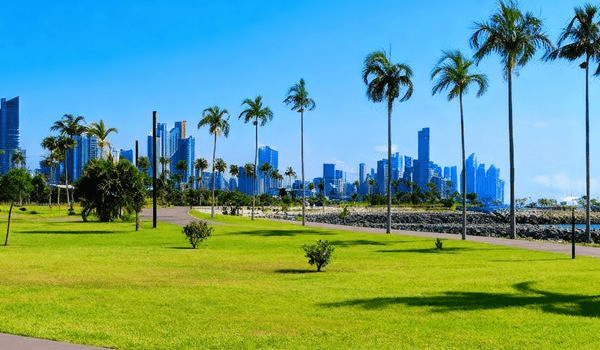
Panama City, often referred to as the Bridge of the World, seamlessly blends its modern skyline with the lush backdrop of the rainforest.
Unlike many Latin American capitals centered around historic plazas, Panama City's growth was propelled by the construction of the canal, attracting a diverse international community. The juxtaposition of Casco Viejo's 17th-century colonial architecture and the towering skyscrapers of the banking district creates a unique urban landscape.
For digital nomads, Panama City offers an enticing combination of modern infrastructure and tropical allure. The economy operates on the U.S. dollar, eliminating exchange rate concerns.
While the cost of living is higher than in rural Latin America, it remains a bargain compared to major U.S. cities, offering a blend of financial benefits and vibrant culture. Contrary to outdated stereotypes, Panama has evolved into a sophisticated financial hub with world-class infrastructure and policies designed to attract global professionals. As of 2025, Panama is among seven Latin American nations offering digital nomad visas, allowing remote workers to reside and work legally within the country. With a stable economy, high-speed internet, accredited private hospitals, and direct flights to numerous global destinations, Panama City stands out as a prime location for remote professionals.
Casco Viejo boasts cobblestone streets and vibrant nightlife, while Punta Pacifica offers luxury high-rise living with ocean views. El Cangrejo provides walkable streets and mid-century apartments at moderate prices, and San Francisco balances residential comfort with a growing restaurant scene.
Additionally, Norwegian Cruise Line has designated Panama City as a new homeport for the 2024-2025 season, expected to significantly boost local tourism.
The Truth
|
What's the cost? |
Budget-Friendly Stays and Visas |
Residence-by-investment pathway for citizens of more than fifty countries with economic ties to Panama. Requires demonstrating economic connection through either a property purchase of a minimum of $200,000 or a fixed-term bank deposit of a minimum of $200,000 for three years. Initial approval grants a two-year provisional residence permit, then permanent residency, then citizenship eligibility after five years as a permanent resident. Includes spouse and children under twenty-five. No physical presence requirement to maintain provisional residency.
Pensionado Visa: Retirement visa for those with lifetime pension income of a minimum of $1,000 monthly. Offers permanent residency with famous discounts: 25% off airfare, 25% off restaurants, 20% off medical consultations, 15% off hospital bills, and 25% off energy bills. Path to citizenship after five years.
💰 The Real Numbers
Monthly Cost Breakdown for Panama City vs. Seattle
ANNUAL SAVINGS: $20,700
|
What's happening? |
Things to Do in Panama |
Key Experiences
Transit the Panama Canal Like a Ship 🚢 Most visitors watch ships from the Miraflores Locks visitor center. You can do better. Book a partial transit through the Panama Canal on a ferry or small boat, experiencing the locks from water level, where fifty-foot walls rise around you and locomotives called "mulas" guide your vessel through the narrow chambers. The full experience takes eight to ten hours, crossing from the Pacific to the Atlantic through the original 1914 locks and the 2016 expanded lane. You'll understand why the canal matters when you're actually inside it: the engineering audacity, the global trade flowing past, and the sheer scale of ships designed to fit exactly. Partial transits cost $150 to $200, full transits, $200 to $250. Book through reputable operators, go early, and prepare for one of the world's great engineering experiences.
Explore Casco Viejo's Cobblestones 🏛️ UNESCO recognized Casco Viejo in 1997, but restoration continues transforming this 1673 colonial district into Panama's most compelling neighborhood. French and Spanish colonial buildings house rooftop bars and boutique hotels, preserving what remained derelict decades ago. Plaza de la Independencia anchors the district where Panama declared independence from Colombia in 1903. Iglesia de San José houses the famous golden altar, painted black by a clever priest to hide it from pirate Henry Morgan. By day, wander narrow streets, discovering hidden courtyards and emerging plazas. By night, climb to any rooftop bar (Tantalo, CasaCasco, or Selina) for cocktails with cathedral views. Free to explore; drinks are $8 to $15.
Eat Your Way Through Mercado de Mariscos 🦐
Hike in Metropolitan Natural Park 🌿
|
Want more savings? |
Tips & Tricks |
👥 The Community
Coworking Culture: Panama City's coworking scene serves the growing nomad population with professional infrastructure. My Office Panamá offers 24/7 access with panoramic city views. Workings operates multiple locations with strong communities. Panama coworking in El Cangrejo attracts creative professionals. Most spaces host weekly events, skill shares, Friday beers, and networking, making community inevitable rather than optional.
Expat Community: Approximately 200,000 foreign nationals reside in Panama, with Americans forming the largest group, followed by Colombians, Venezuelans, and Europeans. The community spans retirees on Pensionado visas, tech entrepreneurs on Friendly Nations, and remote workers on digital nomad permits. Internations Panama offers professional networking with regular events.
Language Learning: Spanish proficiency varies wildly among expats; some achieve fluency, others survive entirely in English. Learning Spanish transforms daily life from tourist to resident and unlocks significant savings with local merchants. Language schools throughout the city offer group classes for $150 to $250 monthly. Language exchanges happen weekly at multiple venues. Practice Spanish over drinks, help someone with English, and watch your integration deepen.
✈️ Your Next Steps
Book Four Weeks: Book in the app below at least the first four weeks in a short-term rental in El Cangrejo or Casco Viejo. This gives you a base to secure long-term housing through Encuentra24 or CompreOAlquile, arrange your visa application with an attorney, and explore neighborhoods before committing to a lease.
Time Your Visit: The best months are December through April, the dry season, with sunny 75 to 90°F, minimal rain, and perfect beach weather. May through November brings rainy season with afternoon downpours, higher humidity, and lower prices. December through April also sees the highest tourist crowds and prices balance accordingly.
P.S. The moment Panama claims you comes unexpectedly, maybe during your first sunset at the Cinta Costera when the entire city glows gold, or while eating ceviche at the fish market surrounded by locals, or simply while watching ships line up for the canal from your high-rise balcony. What starts as tax strategy becomes something closer to home: a life where your office overlooks the Pacific, your weekends involve islands and rainforest, and your foreign income stays completely yours. That's not just moving abroad. That's remembering what financial freedom actually feels like.
|
Answer to Travel Trivia 💡
|
Happy travels, explorers!! 🌍
See related articles from us... |
0 Comments
Join the conversation
Be the first to comment
Share your thoughts above.