
Nepal Travel Guide 2025: Mountains, Cities, and Budget Tips
Explore the heart of Nepal, from the vibrant streets of Kathmandu to the serene lakes of Pokhara. Discover budget travel tips and trekking insights for 2025.
There is a version of Nepal that lives in the global imagination, one of snow-dusted giants and prayer flags fluttering in the crisp mountain air.
That vision is real, a powerful magnet for adventurers and spiritual seekers alike.
But to truly understand this nation is to embrace its duality: the profound peace of the mountains and the vibrant, unrelenting chaos of its cities.
The year 2025 has been a testament to the country's enduring spirit.
After a period of civil unrest earlier in the year that raised concerns for the tourism sector, a sense of stability has returned.
Daily life is normalizing, flights are operating on schedule, and the nation is once again showcasing its incredible resilience, welcoming visitors with the warmth it is famous for.
This is the story of a country that is so much more than a destination; it is an experience that stays with you.
Kathmandu: A City That Breathes History
Your journey likely begins in Kathmandu, a city that feels less like a modern capital and more like a living, breathing museum.
The tourist hub of Thamel is an immediate immersion into the nation's energy, a labyrinth of narrow streets packed with trekking gear shops, artisan crafts, and the aroma of incense and sizzling momos.
It’s a place to get wonderfully lost, to haggle for souvenirs, and to feel the pulse of international travel converging in one dynamic neighborhood.
But the real magic lies deeper within the city's ancient heart.
Venture into the sensory overload of Asan Bazaar and Indra Chowk, markets that have thrummed with activity for centuries.
Here, locals shop for everything from gleaming copper pots and fragrant spices to vibrant saris and fresh produce.
It is an unfiltered glimpse into the rhythm of daily Nepali life, a world away from the curated experience of tourist-centric zones.
The city's cultural calendar is as vibrant as its streets, with events like the recent Nepal Art & Culture Festival and the Kathmandu International Performance Art Festival showcasing the nation's rich artistic traditions.
Pokhara: The Tranquil Gateway to Adventure
If Kathmandu is the chaotic heart, Pokhara is the serene soul.
Nestled against the stunning backdrop of the Annapurna mountain range, this city offers a welcome change of pace.
Officially declared Nepal's Tourism Capital, Pokhara is experiencing a wave of thoughtful development, particularly around the idyllic Pokhara Lakeside district.
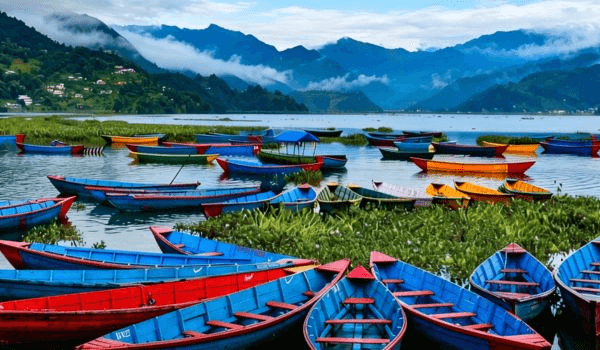
New boutique hotels and charming cafes line the shore of Phewa Lake, where the reflection of Machhapuchhre, the iconic Fishtail Peak, shimmers on the water.
It’s a place for quiet contemplation, for renting a small boat and paddling out to the Tal Barahi Temple, or simply for watching paragliders descend gracefully from the sky.
This town is the primary launching point for some of the world’s most famous treks, including the legendary Annapurna Circuit.
The atmosphere here is one of anticipation and reflection, where trekkers prepare for their journeys or celebrate their return.
The Call of the High Places: Trekking in Nepal
No discussion of Nepal is complete without honoring its trekking culture.
The trek to Everest Base Camp is a pilgrimage for many, a challenging journey through Sherpa villages and dramatic glacial landscapes that culminates at the foot of the world’s tallest peak.
Yet, the beauty of trekking in Nepal is its sheer variety.
For those seeking solitude away from the popular routes, newly opened treks for 2026, like the North Annapurna Base Camp Trek or Mundhum Trail, offer a chance to explore unspoiled regions.
The backbone of this experience is the humble teahouse, a simple lodge offering a warm bed and a hot meal.
Here, over a steaming plate of dal bhat, trekkers from around the world share stories and forge connections.
This network of teahouses makes trekking incredibly accessible and affordable, a core reason why Nepal remains a top budget pick for adventure travel.
Beyond the Mountains: Wildlife and Spirituality
While the Himalayas dominate its image, the soul of Nepal extends to its southern plains.
Chitwan National Park, a UNESCO World Heritage site, offers a completely different kind of adventure.
Here, dense jungles are home to one-horned rhinos, Bengal tigers, and hundreds of species of birds.
Jeep safaris, which resumed after the monsoon season, provide a chance to witness this incredible biodiversity up close.
Further west lies Lumbini, the birthplace of Lord Buddha and a site of immense spiritual importance.
The ongoing Lumbini Development Project is enhancing this sacred space, with a master plan aiming to preserve its ancient monuments while developing monastic zones for quiet reflection.
It is a place of profound peace that offers a powerful contrast to the adrenaline of the high mountains.
A Practical Guide to Experiencing Nepal
Embracing local life is the key to traveling well and affordably in Nepal.
The national dish, dal bhat (lentil soup with rice and vegetables), is not just sustenance; it’s an experience.
You can find a hearty, all-you-can-eat plate for just a few dollars, providing the perfect fuel for a day of exploring.
Similarly, momos, delicious steamed dumplings, are a ubiquitous and inexpensive snack, often costing just a dollar or two per plate.
Getting around is simple and cheap.
Tourist buses connect major hubs like Kathmandu and Pokhara for a fraction of the cost of a flight, offering a scenic, if sometimes bumpy, journey through the country's winding roads.
Staying connected is easy with a local SIM card; providers like Ncell offer affordable data packages perfect for navigating and sharing your journey.
Accommodation ranges from dorm beds in backpacker hostels for under ten dollars to comfortable mid-range hotels for around forty.
Even on trekking routes, a simple room in a teahouse is remarkably inexpensive, making multi-day treks accessible without breaking the bank.
A critical piece of advice, however, is to always respect the power of nature.
Avoid high-altitude trekking routes during periods of severe weather, as conditions can change in an instant.
Nepal is a land of extremes, a place where serene beauty meets raw, untamed power.
It’s a country that challenges you, changes you, and ultimately, captures your heart with its unforgettable blend of chaos and calm.
Frequently Asked Questions
Is it safe to travel to Nepal in late 2026?
Following a period of political unrest earlier in the year, the situation in Nepal has stabilized. Daily life has returned to normal in major tourist areas like Kathmandu, Pokhara, and the primary trekking regions. Travelers are advised to stay informed, but the country is welcoming visitors safely.
What is a realistic daily budget for Nepal?
Nepal is an extremely budget-friendly destination. A backpacker can comfortably manage on $25–$40 per day, covering basic accommodation, local food like dal bhat and momos, and ground transportation. A mid-range budget of $50–$75 per day allows for private rooms, a mix of local and Western meals, and some guided activities.
What is the best way to experience both the cities and mountains?
A classic itinerary involves spending a few days acclimatizing and exploring the cultural sites of Kathmandu, followed by a bus or flight to Pokhara. From Pokhara, you can embark on a short trek (like Poon Hill) or a longer one (like the Annapurna Base Camp trek) to experience mountain life before returning to the city for relaxation. |
0 Comments
Join the conversation
Be the first to comment
Share your thoughts above.