
Nepal Travel Guide: From Kathmandu's Chaos to Mountain Peace
Discover the dual soul of Nepal, where bustling Kathmandu neighborhoods meet the serene, peaceful mountain life. Your guide to trekking, food, and culture.
Nepal is a country that whispers tales of serenity from its snow-capped peaks while shouting with the vibrant, chaotic energy of its city streets.
It’s a destination that doesn’t just offer a vacation; it presents a journey through contrasts, a pilgrimage for the soul that is as affordable as it is enriching.
For many, the adventure begins in Kathmandu, a city that immediately immerses you in a sensory overload of sights, sounds, and smells.
Here, the peaceful, prayer-flag-draped stupas of Swayambhunath and Boudhanath offer tranquil refuge just moments away from the relentless buzz of life.
The heart of the traveler's district, Thamel, is a labyrinth of narrow alleys packed with trekking gear shops, cozy bars, and restaurants serving both local and international fare.
It’s a place to acclimatize, plan your next move, and dive headfirst into the local rhythm before seeking the profound quiet of the mountains.
But to truly understand Nepal, one must venture into the controlled chaos of its ancient marketplaces.
Asan Bazaar and Indra Chowk are the pulsating commercial hearts of old Kathmandu, where vendors sell everything from fragrant spices and fresh produce to gleaming copperware and traditional textiles.
This is not a sanitized tourist experience; it is a raw, authentic slice of daily Nepalese life.
Life in these urban centers is incredibly budget-friendly.
A steaming plate of dal bhat, the national dish of lentils, rice, and vegetables, can be found for just a few dollars, providing the hearty fuel needed for a day of exploration.
Similarly, a plate of delicious momos steamed dumplings that are a national obsession rarely costs more than a dollar or two.
When the city’s intensity becomes overwhelming, the promise of tranquility is just a bus ride away.
Tourist buses to Pokhara are both inexpensive and relatively comfortable, offering a scenic journey westward toward the serene Phewa Lake and the gateway to the famed Annapurna trekking region.
Pokhara serves as the nation’s adventure capital, but it carries a distinctly more laid-back vibe than Kathmandu.
The Pokhara Lakeside area is lined with guesthouses, cafes, and yoga studios, all set against the stunning backdrop of the Annapurna Massif, including the iconic Machhapuchhre, or Fishtail Mountain.
It's a place to breathe, to pause, and to prepare for the profound solitude of the Himalayas.
This is where the other half of Nepal's soul resides: in the peaceful mountain life.
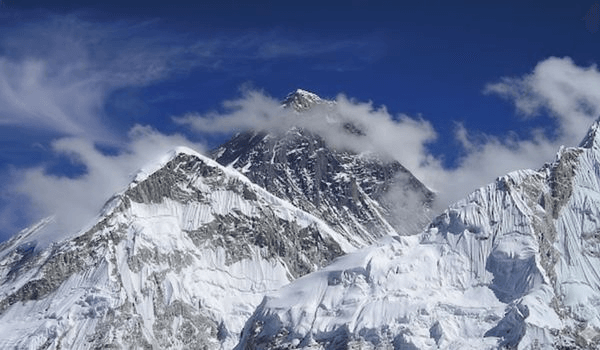
Trekking in regions like Annapurna or the Everest area is not just about conquering peaks; it’s about a connection to nature and a reliance on the simple, profound hospitality of the local communities.
Teahouses, small family-run lodges, dot the trekking routes, offering simple but clean accommodation and warm, home-cooked meals at a fraction of Western costs.
This network of mountain hospitality makes some of the world's most spectacular landscapes accessible to the everyday traveler.
A typical day on the trail involves waking to crisp mountain air, trekking for several hours through rhododendron forests and past cascading waterfalls, and settling into a new teahouse before dusk.
Evenings are spent huddled around a stove in the common room, sharing stories with fellow trekkers from around the globe and the local guides who know these mountains intimately.
Staying connected, even in remote areas, is surprisingly straightforward.
Upon arrival at Tribhuvan International Airport, travelers can easily purchase a local SIM card from providers like Ncell, ensuring data access in cities and along many popular trekking routes.
However, the true beauty of the mountains often lies in the moments of disconnection, where the only thing that matters is the trail ahead and the towering peaks above.
The experience is a powerful reminder of a simpler way of life, governed by the rhythms of the sun and the seasons.
Navigating Nepal requires a degree of flexibility and respect for local customs.
The traditional greeting, "Namaste," with palms pressed together, is a sign of deep respect.
Dressing modestly, especially when visiting temples and monasteries, and removing shoes before entering a home are simple gestures that are greatly appreciated.
The best times to visit for trekking are during the spring (March to May) and autumn (September to November) seasons, when the weather is generally clear and temperatures are moderate.
It's crucial to avoid trekking during severe weather, as monsoon rains can make trails treacherous and winter snow can block high passes.
Nepal challenges its visitors, pushing them physically on high-altitude trails and mentally in the crowded city streets.
But the rewards are immeasurable: the sight of the sun rising over the Himalayas, the taste of a simple, nourishing meal after a long day's walk, and the warmth of a smile from a stranger.
It is a place where a small budget can unlock grand adventures and where the contrast between mountain peace and urban energy creates a uniquely balanced and unforgettable journey.
FAQ: Traveling in Nepal
What is the best way to get around Nepal? For long distances between major hubs like Kathmandu and Pokhara, tourist buses are an affordable and popular option. Within cities, taxis and ride-sharing apps are common, while cycle-rickshaws offer a classic way to explore crowded old-town areas. For trekking, your own two feet are the primary mode of transport.
How much should I budget for a trip to Nepal? Nepal is a very budget-friendly destination. A backpacker can comfortably manage on $25–$35 per day, covering accommodation, food, and local transport. Mid-range travelers might spend $50–$70 per day. Trekking costs vary depending on the region and whether you hire a guide and porter.
Is it safe to travel in Nepal? Generally, Nepal is a safe country for travelers. The primary concerns are related to health and trekking safety. It's essential to be aware of altitude sickness on treks and to choose the right season to avoid dangerous weather conditions. In cities, standard precautions against petty theft should be taken. |
0 Comments
Join the conversation
Be the first to comment
Share your thoughts above.