south korea Hongdae, Itaewon, and Gangnam, broken down for the visa that just went permanent.
F-1-D visa options and top places for remote work in the city
Jordan made a life-changing move from Austin to Seoul, swapping a pricey one-bedroom for a studio in Mapo-gu at a fraction of the cost.
For around 750 US dollars, he now enjoys a central location just minutes from some of Asia's most vibrant coworking and cafe communities.
The reality is, with the new workation visa South Korea program in effect after 2026, the entire process for remote workers has shifted.
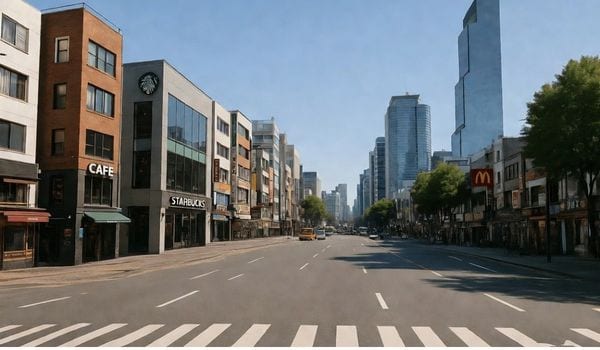
Seoul offers a wide range of living choices. Mapo Gu, which includes hot spots like Hongdae and Yeonnam-dong, is recognized as a creative nucleus, lined with affordable studios, bubbling with young freelancers and digital nomads ready to unpack in places that feel globally connected yet distinctly Korean.
For expats craving an international vibe, Itaewon and Yongsan remain favorites, though rents creep upward nearer Hannam-dong with its premium price tags and upscale coworking hubs.
If you're after maximum polish, Gangnam's high-end towers offer plush apartments and top-tier coworking, but at a steep price think more than 1,200 US dollars monthly.
Seongsu, on the other hand, is emerging fast.
This former warehouse district east of the river is full of new designer spaces, blending downtown's energy with inventive charm.
The new F-1-D visa makes it easier for young professionals based outside the capital area—excluding Seoul, Incheon, and Gyeonggi Province—by dropping the income requirement by half.
Those ages 18 to 34 can now qualify at 37,000 dollars a year if living in Korea’s regions, opening the doors to more than just Seoul's central buzz.
But those planning their workation in Seoul itself still face a higher bar, needing to show income above 65,000 dollars a year.
Another key point: Hit 183 days in Korea, and you enter local tax territory, affecting worldwide earnings, with unique complications for US citizens.
Speaking with a cross-border tax expert familiar with both US and Korean law is smart before you make any commitments.
Seoul's coworking spaces keep multiplying, especially around Hongdae, Gangnam, and now Seongsu, offering everything from communal desks to private studios tailored for workation lifestyles.
The workation visa South Korea news has generated excitement but also confusion as remote work booms here.
Tax treatment deserves its own caveat. Staying 183 days or more triggers Korean tax residency on worldwide income, and for American citizens specifically, there is no totalization agreement between the US and South Korea, which changes how self-employment tax is handled. Talk to a cross-border tax advisor with specific US-Korea experience before you commit to this visa.
If you have been through the new F-1-D process since June, tell us in the comments how it compared to what we described. Seoul's visa news this year is genuinely good, just not evenly good. Know which bracket you actually fall into before you build a plan around the headline number.
💡 Answer to Trivia
The answer is C, 3 years. South Korea extended the F-1-D Workation visa from a maximum of two years to three when it became a permanent program on June 30, 2026.
Happy travels, explorers!! |
0 Comments
Join the conversation
Be the first to comment
Share your thoughts above.