The Megacity Where $600 Gets You a Roma Norte Apartment and World-Class Tacos Cost $1
Explore how Mexico City's Roma Norte offers affordable living with rich cultural experiences, attracting expatriates seeking quality life at lower costs.
David scrutinized his Chicago rent statement in May 2025: $2,800 for a one-bedroom apartment, compounded by brutal winters necessitating $300 monthly heating bills.
Despite earning $98,000 as a marketing manager, a commendable salary, his expenses were overwhelming. Rent at $2,800, car costs at $450, health insurance at $380, and student loans at $400 left little room for savings. Chicago's harsh winters drained both his spirit and finances from November through March.
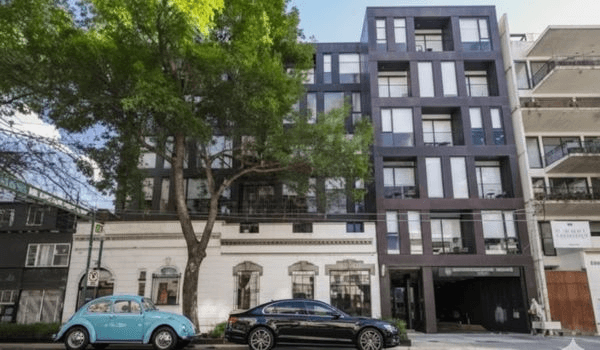
Fast forward ten months, and David now works remotely from his apartment in Mexico City's Roma Norte neighborhood. The streets are adorned with jacaranda trees, and art deco architecture is omnipresent. The city's altitude ensures pleasant temperatures year-round. His rent? A mere $600 for a one-bedroom with high ceilings in a 1920s building featuring a rooftop terrace and fiber internet.
"I relocated to CDMX because my U.S. clients operate in Central Time. No more 6 AM calls to accommodate West Coast schedules. We share the same working hours. But what truly transformed my life was the cultural richness. World-class museums, James Beard-level restaurants, live music every night, street art everywhere. Chicago felt culturally limited despite its expense. Mexico City offers European-level culture at developing-world costs."
Same job. Same salary. Same timezone. Different cultural depth. Different cost structure. 🌍
The Reality
Many associate Mexico City with dangerous cartels, crime, and chaos. However, Mexico City offers something rare among megacities.
As Latin America's largest metropolis and cultural powerhouse, Mexico City boasts a population of 20 million across its vast urban sprawl. Neighborhoods like Roma, Condesa, and Polanco provide walkable European vibes, world-class museums including those dedicated to Frida Kahlo and Diego Rivera, and a food scene rivaling any global capital, from $1 street tacos to Michelin-starred restaurants. The city also hosts a massive digital nomad community of over 15,000 remote workers, with fiber internet averaging 100+ Mbps widely available. Its alignment with the Central Time Zone is perfect for U.S. clients, and the year-round spring temperatures at 7,350 feet elevation are a bonus.
And it costs 70% less than major U.S. cities.
The city's size can be intimidating initially but reveals numerous advantages. Different neighborhoods offer completely distinct vibes: Roma Norte for hipster cafés and art galleries, Condesa for parks and Art Deco architecture, Polanco for upscale shopping and dining, and Coyoacán for colonial charm and weekend markets. Choosing the right neighborhood determines the entire experience.
This analysis stems from research and participation in nine Facebook groups and WhatsApp communities, a review of over 500 Reddit threads, 72 YouTube vlogs from 2024-2025, and cost data cross-referenced with Nomad List and Numbeo.
The question: Do Mexico City's cultural depth and timezone alignment justify altitude adjustment and air quality concerns, or should remote workers choose smaller, more manageable cities? |
🛂 Visa: Can You Legally Do This?
Mexico makes it exceptionally easy for US, Canadian, and EU remote workers.
🌍 Tourist visa on arrival: US, Canadian, and EU citizens get 180 days free on arrival. Simple immigration stamp. No paperwork. Literally walk through the airport and start living for 6 months.
🌍 Temporary Resident Visa for longer stays: Duration is 1-4 years renewable. Requirements include proving $2,500+ monthly income for 6 months or $43,000 in a bank account. Apply at the Mexican consulate before arrival. Cost runs $200-400. Processing takes 2-4 weeks.
🌍 Border runs for serial tourism: Exit to Guatemala, Belize, or US for the weekend. Reset the 180-day counter. Many nomads do this indefinitely. Combine legal requirements with a beach vacation or city exploration.
🌍 Permanent Residency pathway: After 4 years on a Temporary Resident Visa, apply for Permanent Residency. Mexican citizenship is possible after 5 years total.
🌍 Documents needed: Valid passport with 6+ months remaining, proof of funds for Temporary Resident Visa, FMM tourist card provided on flight, no yellow fever or vaccinations required.
Pro tip: Most nomads use a 180-day tourist visa initially, test the CDMX lifestyle, and then decide if a Temporary Resident Visa is worth pursuing. Mexico actively welcomes remote workers and makes the process straightforward.
💰 The Real Numbers
AVERAGE DAILY COST: $43-60 per person, per day MONTHLY AVERAGE: $1,300-$1,800 📊 Monthly Cost Breakdown
🏠 ACCOMMODATION Apartment rent in Roma Norte or Condesa Chicago costs $2,800 monthly for a 1-bed apartment with brutal winters and high heating bills. Mexico City costs $600 for a 1-bed in Roma Norte with high ceilings, rooftop access, and perfect weather. Monthly savings: $2,200.
🍽️ FOOD & DINING Groceries and eating out Chicago runs $650 for groceries plus limited affordable dining options. Mexico City costs $350 for quality groceries plus eating out daily at incredible restaurants and street food. Monthly savings: $300.
🚗 TRANSPORTATION Getting around the city Chicago requires $550 for car payment plus insurance plus gas plus parking. Mexico City needs $80 for an unlimited metro pass plus Uber and taxis. Monthly savings: $470.
🏥 HEALTH INSURANCE: Comprehensive medical coverage Chicago demands $380 for a marketplace plan with a high deductible. Mexico City provides $120 for international expat insurance plus affordable private care. Monthly savings: $260.
💪 FITNESS Gym membership Chicago charges $75 for basic gym membership. Mexico City offers $35 for a nice facility with all equipment. Monthly savings: $40.
🎭 ENTERTAINMENT Activities, dining, nightlife Chicago costs $400 for limited activities and expensive nightlife. Mexico City runs $250 for museums, concerts, cantinas, mezcalerías, galleries, and markets. Monthly savings: $150.
📱 INTERNET & PHONE Home and mobile connectivity Chicago bills $90 for home internet plus a mobile plan. Mexico City delivers $40 for 200 Mbps fiber plus unlimited mobile data. Monthly savings: $50.
💵 THE BOTTOM LINE
ANNUAL SAVINGS: $41,640
After 12 months in Mexico City, David saved an additional $41,640 compared to Chicago. He used $8,500 for trips across Mexico, including Oaxaca, Guanajuato, San Miguel de Allende, Puerto Escondido, and weekend escapes to Puebla and Teotihuacán. The remaining $33,140 sits in his investment portfolio. |
💡 What You Need to Know
Best neighborhoods for nomads: Roma Norte is hipster central with cafés, coworking, street art, and nomad concentration. Condesa offers tree-lined streets, Art Deco buildings, parks, and running paths. Polanco provides upscale living with luxury shopping and fine dining. Coyoacán delivers colonial charm with the Frida Kahlo museum and weekend markets.
Critical requirement: Adjust to altitude at 7,350 feet elevation. The first week brings shortness of breath during exercise and mild headaches for some. Stay hydrated. Avoid alcohol the first few days. Most adjust within 7-10 days completely.
Where nomads work: WeWork has multiple locations throughout city. Coyote Coworking in Roma. The Poolside coworking. Hubble coworking. Every café in Roma and Condesa welcomes laptop workers all day. Home fiber is widely available at 100-300 Mbps.
Top hospitals: ABC Medical Center, Hospital Ángeles, and Médica Sur. World-class private healthcare at a fraction of US costs. Many doctors trained in the US with English fluency. Medical tourism destination for procedures. 🏞️ Key Experiences
Museo Frida Kahlo 🎨 Blue House, where Frida Kahlo lived and created. The original home in Coyoacán is preserved as a museum. Personal artifacts, paintings, and gardens. Entry is $13. Book online days ahead. Essential cultural pilgrimage. Crowded but worth it. Combine with a Coyoacán market visit. Frida's actual creative space.
Museo Nacional de Antropología 🗿 World-class anthropology museum showcasing Mexican civilizations. Aztec Sun Stone. Massive Olmec heads. Maya artifacts. Spanish conquest history. Entry is $5. Plan 3-4 hours minimum. English explanations available. Chapultepec Park location. Essential for understanding Mexico. One of the world's great museums.
Teotihuacán Pyramids 🏛️ Ancient city with massive pyramids 1 hour from CDMX. Climb the Pyramid of the Sun and Moon. Avenue of the Dead. Temple of Quetzalcoatl. Entry is $5. Tour buses daily from city. Arrive early to beat crowds and heat. Breathtaking ancient engineering. Mexico's most iconic ruins.
Chapultepec Park 🌳: A massive urban park larger than Central Park. Chapultepec Castle with a history museum. Anthropology Museum. Modern Art Museum. Lakes with paddleboats. Free outdoor concerts on Sundays. Vendors selling elotes and tamales. Locals picnicking. Free entry to the park.
Mercado de Coyoacán 🛍️ Traditional market with food, crafts, and culture. Tostadas, pozole, and quesadillas for $3-5. Artisan crafts. Live music. Weekend energy. The Frida Kahlo museum is nearby. Colorful colonial square. Locals and tourists mix. Authentic market experience.
Lucha Libre Wrestling 🤼 Colorful masked wrestling spectacle. Arena México Tuesday, Friday, and Sunday shows. Tickets are $5-20. Masked wrestlers. Theatrical combat. Beer and snacks are sold. Tourists and locals cheer together. Uniquely Mexican entertainment. Cultural sport-theater hybrid. 👥 The Community
Massive digital nomad scene: Mexico City has 15,000+ remote workers, making it one of the world's largest nomad hubs after Medellín. Daily meetups in Roma cafés. Weekly events through Facebook groups. Mix of Americans, Europeans, Canadians, and Latin Americans. Ages 25-50. Very easy to make friends instantly.
Coworking community: WeWork locations throughout the city host events. Coyote Coworking has weekly networking. The Poolside does monthly parties. Laptop workers fill every café in Roma and Condesa, creating informal coworking everywhere.
Expat community established: Large American and Canadian presence for decades. Digital Nomads Mexico City The Facebook group has 20,000+ members. Meetup.com events daily. Language exchanges. Hiking groups. Book clubs. Sports leagues. Massive infrastructure.
Spanish language learning: Spanish is essential for deeper integration, though English works in tourist areas. Language schools everywhere are offering group and private classes. $5-12 per hour for private tutoring. Tandem language exchanges at cafés weekly.
✈️ Your Next Steps
1. Join Communities First Facebook Digital Nomads Mexico City has 20,000+ members with daily advice and events. Mexico City Expats provides housing and practical tips. WhatsApp groups coordinate meetups and activities in real time.
2. Book 4-Week Test Run Mexico City needs to be experienced before committing due to its massive size and altitude. Four weeks allows testing neighborhoods, adjusting to elevation, experiencing scale, and meeting community. Book an Airbnb in Roma Norte or Condesa. Attend weekly nomad meetups.
3. Time Your Visit Strategically The best months are October through May for the dry season and comfortable temperatures. The rainy season runs from June through September with afternoon storms but is still warm. Avoid September for the wettest month. Day of the Dead celebrations in late October are spectacular.
4. Budget Realistically The first month runs $2,000-2,500 for setup costs, exploring the the massive city, and testing different neighborhoods. Months 2+ settle at $1,300-1,800 for comfortable living. The emergency fund needs $1,500 for medical and unexpected expenses.
5. Handle Visa Proactively Arrive on a 180-day tourist stamp requiring no advance planning. Test the Mexico City lifestyle for several months. Apply for a Temporary Resident Visa at the consulate in the US if planning a 1+ year stay. The process is straightforward with proof of income.
6. Run Your Numbers Factor in salary, expenses, timezone alignment benefits for US clients, cultural experiences, food scene access, altitude adjustment, and savings potential.
P.S. The first time someone finishes work at 5 PM Central Time without timezone conversion, walks to the corner taqueria for $1 tacos that rival Michelin restaurants, and realizes world-class museums are everywhere... Mexico City's unique value becomes undeniable. |
Don't forget, you can book your flights directly from the bottom of this page! Start planning your next adventure now. |
0 Comments
Join the conversation
Be the first to comment
Share your thoughts above.