
Zanzibar: Affordable Tropical Paradise for Digital Nomads
Discover Zanzibar's blend of pristine beaches, rich culture, and modern amenities, offering digital nomads an affordable tropical lifestyle.
The Essence of Zanzibar
Where History Meets Turquoise Waters
The spirit of Zanzibar thrives in the rhythmic lapping of waves on Paje's endless beach, in the aromatic spice plantations where cloves and vanilla perfume the air, and in the warm hospitality of Swahili people who blend African, Arab, and Indian traditions into a unique island culture.
As a former sultanate and the heart of the Indian Ocean spice trade, Zanzibar offers a uniquely accessible gateway to both pristine natural beauty and rich historical depth rarely found in typical beach destinations.
The real magic here is the profound sense of escaping to another world while maintaining the connectivity modern remote work demands, knowing paradise doesn't require a luxury budget. |
What's the Cost? |
Budget-Friendly Island Living/Visa |
Zanzibar unveils itself in a symphony of turquoise waves lapping white-sand shores and the haunting call to prayer echoing from Stone Town's coral-stone mosques.
Unlike Maldives or Seychelles with their luxury price tags, Zanzibar offers pristine Indian Ocean beaches, rich cultural heritage, and authentic Swahili experiences at a fraction of typical island resort costs, making it East Africa's most accessible tropical paradise for remote workers.
The journey holds as much significance as the destination, whether swimming in crystalline waters alongside sea turtles, navigating Stone Town's labyrinthine alleys where carved wooden doors tell centuries of stories, or watching traditional dhow boats sail past at sunset.
Planning Your Visit: Costs and RequirementsVisa RequirementsZanzibar welcomes international visitors with straightforward visa processes. Most nationalities can obtain a visa on arrival at Zanzibar's Abeid Amani Karume International Airport.
Visa costs: • US, Canadian, UK, EU citizens: $50 single-entry • US citizens specifically: $100 multi-entry • Other nationalities: Check with Tanzanian embassy
Requirements: • Valid passport with 6+ months validity • Return flight ticket • Proof of accommodation • Yellow fever vaccination certificate if arriving from endemic countries
Duration: 90 days with possibility of extension for additional 90 days through immigration office in Stone Town.
Digital Nomad Visa: Tanzania does not currently offer a specific digital nomad visa. Remote workers use tourist visas and visa runs to Dar es Salaam or Kenya every 90 days if staying longer. Always verify latest requirements before traveling as visa policies can change. |
What's happening? |
Things to Do in Zanzibar |
Must-See AttractionsStone Town - UNESCO World Heritage Site
This is Zanzibar's cultural and historical heart demanding at least 2-3 days exploration. Stone Town dates to the 11th century when it served as a major trading port connecting Africa, Arabia, India, and beyond. The architecture blends Swahili, Arab, Persian, Indian, Portuguese, and British influences creating a unique aesthetic found nowhere else. Narrow winding alleys connect coral-stone buildings adorned with ornately carved wooden doors featuring brass studs and intricate designs.
Key sites: • House of Wonders (Beit-al-Ajaib): Former sultan's palace, now a museum showcasing Swahili and Tanzanian culture • Old Fort (Ngome Kongwe): Built by Omanis in 1710, now hosts cultural center and evening performances • Palace Museum: Former sultan's residence with period furniture and historical exhibits • Forodhani Gardens: Waterfront park transforming into vibrant night food market at sunset • Darajani Market: Authentic local market selling fish, spices, fruits, and household goods
Shopping in Stone Town: Stone Town offers authentic Zanzibar products without high-pressure selling found in mainland Tanzania.
What to buy: • Spices: Cloves, vanilla, cardamom, cinnamon sold fresh • Zanzibar doors miniatures: Carved wooden replicas of famous doors • Kanga fabric: Colorful printed cloth with Swahili sayings • Tinga Tinga paintings: Bright East African art style • Jewelry: Silver and semi-precious stones
Pro tip: Bargain expected but maintain respect. Start at 50-60% of asking price. Cost: Free to wander, museums $3-5 entry each ━━━━━━━━━━━━━━━━━━━━━━━━━━━━━━━━ The Beaches
Zanzibar's coastline offers diverse beach experiences depending on tides, activities, and atmosphere.
Paje Beach 🏄 East coast village with 4km white-sand beach and turquoise lagoon. Best for: Kitesurfing, digital nomads, social atmosphere Vibe: Young, active, party-friendly Activities: Kitesurfing lessons $50-70/hour, snorkeling, beach bars Internet: Good WiFi in most cafes and guesthouses Tides: Extreme tidal variation with shallow lagoon at low tide perfect for walking Paje has become Zanzibar's unofficial digital nomad hub with the most coworking-friendly cafes.
Nungwi Beach 🌅 Northern tip of island with stunning sunsets and coral reefs. Best for: Snorkeling, diving, beach clubs, sunset views Vibe: More developed, resort-heavy, lively nightlife Activities: Diving $50-80 per dive, dhow sunset cruises $25-40, beach parties Water: Minimal tides allowing swimming at all times Downsides: More crowded, higher prices, some hassle from beach vendors
Kendwa Beach 🏖️ Just south of Nungwi with similar characteristics but slightly quieter. Best for: Swimming, relaxation, full moon parties Vibe: Laid-back with party scene on weekends Activities: Full moon parties, beach barbecues, water sports Water: Deep water allowing swimming regardless of tide
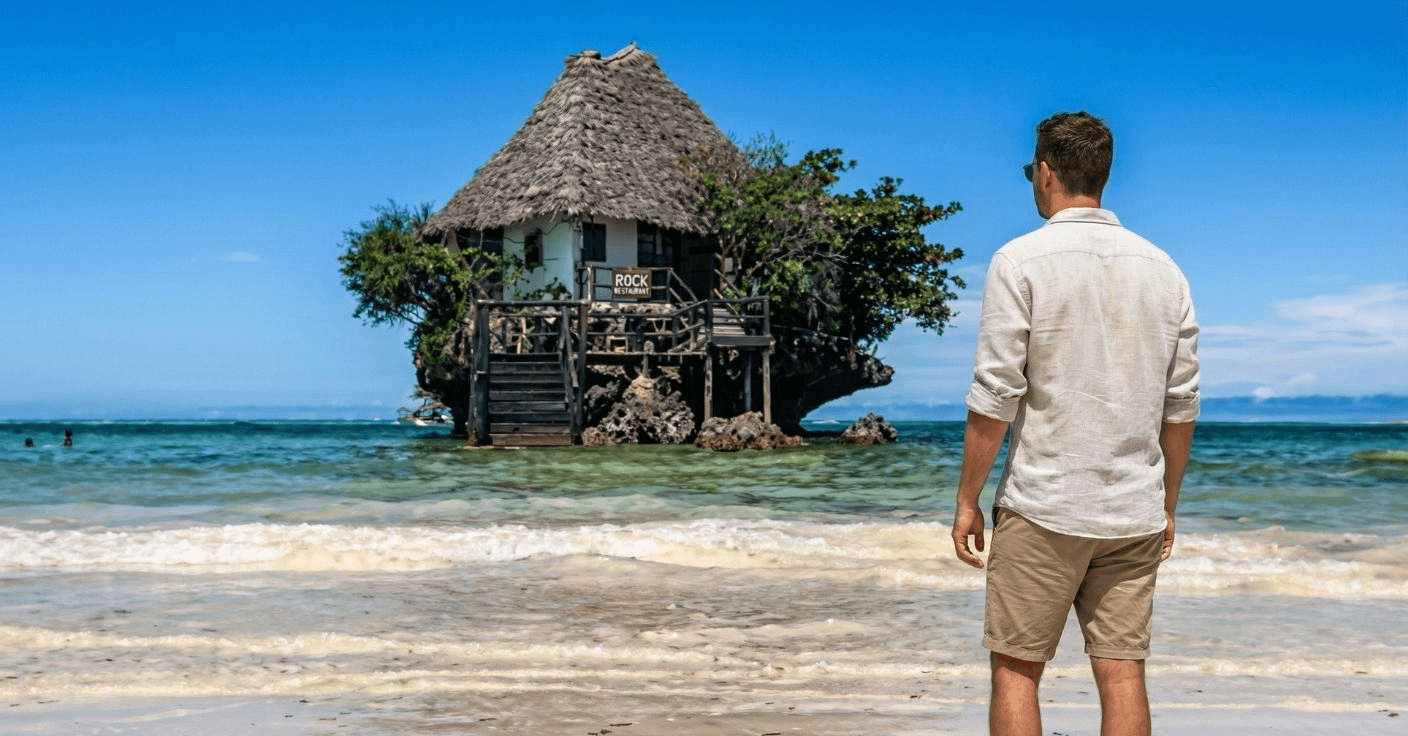
Jambiani Beach 🐚 Southeast coast village offering authentic local culture. Best for: Budget travelers, cultural immersion, quiet atmosphere Vibe: Traditional fishing village, very local, peaceful Activities: Seaweed farming tours, The Rock restaurant, snorkeling Accommodation: Cheapest on island, $15-40/night Downsides: Limited restaurant options, fewer nomads, more basic facilities
Matemwe Beach 🌴 Northeast coast with turquoise waters and offshore coral reefs. Best for: Snorkeling, diving, romantic getaways Vibe: Quiet, upscale resorts mixed with budget options Activities: Mnemba Atoll diving (world-class), snorkeling, kayaking Internet: More limited than Paje or Nungwi
Pro tip: Visit multiple beaches during stay. Rent scooter for $5-7/day and explore different areas before deciding where to settle. ━━━━━━━━━━━━━━━━━━━━━━━━━━━━━━━━ Spice Tours 🌿 Zanzibar earned its "Spice Island" nickname from centuries as the world's leading clove producer. Spice tours take visitors through working plantations where cloves, vanilla, nutmeg, cinnamon, cardamom, lemongrass, and black pepper grow.
What to expect: • 3-4 hour guided walk through rural plantation • See, smell, and taste fresh spices growing on trees and vines • Learn harvesting and processing methods • Climb trees to pick coconuts and tropical fruits • Traditional Swahili lunch often included • Purchase fresh spices at farm prices
Tours available from: Stone Town, Paje, most beach areas Cost: $25-40 per person including transport and lunch Best operators: Mr Mitu's Spice Farm, Tangawizi Spice Farm
Fun facts: • Zanzibar once produced 90% of world's cloves • Clove trees live 100+ years and still produce • Vanilla takes 3 years from planting to first harvest
Pro tip: Book through accommodation or local contacts rather than street touts for better prices and authentic experiences. ━━━━━━━━━━━━━━━━━━━━━━━━━━━━━━━━ Prison Island Changuu Island 🐢
20-minute boat ride from Stone Town brings visitors to this small island with fascinating history. Originally intended as prison for rebellious slaves but never used for that purpose. Later served as quarantine station for yellow fever cases. Now famous for giant Aldabra tortoises.
What to see: • Giant tortoises: Some over 100 years old, brought from Seychelles in 1919 • Old quarantine buildings: Coral-stone ruins with historical plaques • Small beach: Good snorkeling on coral reef • Peacocks: Roam freely around island
Tours: Half-day trips $15-25 per person including boat, guide, and snorkeling Swimming: Bring swimsuit and snorkel gear Duration: 2-3 hours total Pro tip: Go early morning to avoid midday heat and tour groups. ━━━━━━━━━━━━━━━━━━━━━━━━━━━━━━━━ Dhow Sunset Cruises ⛵ Traditional wooden dhow boats have sailed Zanzibar waters for centuries carrying cargo and fishermen. Now sunset cruises offer romantic way to experience island from water.
What's included: • 2-3 hour sail along coast • Sunset views over Indian Ocean • Snacks and drinks sometimes alcohol • Swimming stop if tides permit • Traditional Swahili music occasionally
Departures: Nungwi, Kendwa, Stone Town Cost: $25-40 per person Best time: Dry season runs June-October for calmest seas
Pro tip: Book day before rather than through beachside touts for better prices. ━━━━━━━━━━━━━━━━━━━━━━━━━━━━━━━━ Day Trips from ZanzibarMnemba Island 💎 Exclusive private island with day snorkeling trips allowed. • World-class snorkeling with sea turtles, dolphins, tropical fish • Half-day boat trips: $40-60 per person • Full-day with lunch: $80-100
Chumbe Island 🏝️ Eco-resort and marine sanctuary with pristine coral reef. • Day trips include snorkeling, forest walk, lunch: $80-100 • Overnight stays available but expensive • Zero-waste eco-lodge showcasing sustainability
Pemba Island 🌳 Zanzibar's less-visited sister island 50km north. • More untouched, fewer tourists • Better diving than Zanzibar with pristine reefs • Requires overnight stay, ferry 4-6 hours or 20-min flight
Dar es Salaam 🏙️ Tanzania's largest city, 90km away. • Ferry 2 hours ($35-50) or 15-min flight $60-100 • Useful for visa extensions, shopping, nightlife • Not particularly tourist-focused but good transit hub |
Want more Savings? |
Tips and Tricks |
Getting Around Zanzibar
Dalla dalla: Local minibuses serving set routes, the cheapest transport at $0.30-1 per ride. Crowded, unpredictable schedules, but authentic experience. Main routes connect Stone Town to major beaches.
Taxis: No meters; negotiate price before entering. Stone Town to Paje: $30-40; airport to Paje $40-50. Always bargain.
Scooter rental: Most popular option for nomads, providing freedom to explore. Monthly rate: $120-180. An international driving license is required. Roads vary from paved highways to bumpy dirt tracks. Drive on the left side (British system). Helmets are rarely provided; request one.
Private drivers: Hire for day trips for $40-60, useful for spice tours or multiple beach visits. ━━━━━━━━━━━━━━━━━━━━━━━━━━━━━━━━ Coworking & Internet
Zanzibar's digital infrastructure is improving but remains inconsistent compared to major nomad hubs.
Coworking spaces: • The Workshop Stone Town: Zanzibar's only dedicated coworking space. Daily pass $12, weekly $50, monthly $180. Reliable internet, AC, and meeting rooms. Most digital nomads work from beach cafes rather than formal coworking.
Best laptop-friendly cafes:
Paje: • Paje by Night: Strong WiFi, ocean views, full menu • Mr Kahawa: Coffee shop with reliable internet • Airborne Kite Center: Cafe with coworking vibe
Nungwi: • Kendwa Rocks: Beach bar with WiFi and tables • Mango Beach House: Restaurant with decent connection
Stone Town: • Lukmaan Restaurant: Popular rooftop, reliable WiFi • 6 Degrees South: Grill restaurant with good internet
Internet reality: • Fiber optic available in Stone Town and parts of Nungwi/Paje • Most areas rely on 4G mobile data, which is more reliable than cafe WiFi • Speeds range 5 to 30 Mbps, occasionally dropping to 1-2 Mbps • Power outages common affecting WiFi routers • Always have mobile data backup
Mobile data: • Vodacom and Airtel are main providers • 30GB: $13, 50GB: $20, 100GB: $35 • SIM cards available at airport and shops with passport copy • 4G coverage good in populated areas • Buy data bundles at small shops everywhere
Power situation: • Daily power cuts are common, lasting 1-6 hours. Most accommodations have backup generators; ask before booking. Invest in portable chargers and power banks. Some areas have stable power; others cut multiple times daily
Pro tip for calls: Schedule important video meetings when you have confirmed stable power and internet. Have a mobile hotspot ready as backup. ━━━━━━━━━━━━━━━━━━━━━━━━━━━━━━━━ Budget eating:
Local Swahili restaurants not in tourist zones: $2-5 per meal
Street food: • Zanzibar pizza (chapati with fillings): $1-3 • Mishkaki (grilled meat skewers): $0.50-1 each • Urojo soup: $1 • Fresh fruit: Mangoes, coconuts, pineapple for pennies
Forodhani Night Market (Stone Town): Transforms waterfront gardens into a vibrant food market at sunset. Grilled seafood, Zanzibar pizza, sugar juice, and samosas. Most dishes are $1-3.
Mid-range: • Tourist restaurants: $8-15 for mains • Beach resort restaurants: $10-20 • Stone Town rooftop cafes: $8-12
Groceries: • Local markets: Cheapest for fruits, vegetables, fish • Small shops: Basic supplies • Supermarkets (Stone Town): More expensive, imported items • Imported goods cost 2-3x US prices: Wine, cheese, chocolate, Western snacks
Pro tip: Eat where locals eat for authentic food and 60% cheaper prices. Ask accommodation staff for recommendations. ━━━━━━━━━━━━━━━━━━━━━━━━━━━━━━━━ Packing Essentials
Clothing: Modest dress is recommended; Zanzibar is 99% Muslim. Women should cover shoulders and knees in Stone Town and villages. Men's shirts are required in town; shirtless only on beaches. Beachwear is fine at resorts and beach areas. Wear light, breathable fabrics for humidity Light jacket for evening breezes
Snorkel gear rental available but owning saves money • Reef-safe sunscreen protect coral • Reusable water bottle: tap water not safe, refill stations limited • Padlock for hostel lockers ━━━━━━━━━━━━━━━━━━━━━━━━━━━━━━━━ Instagram MomentWhere turquoise waves meet powder-white sands, traditional dhow boats sail past at sunset, and the haunting call to prayer echoes across coral-stone buildings, every moment reminds travelers that paradise exists without luxury price tags.
Zanzibar is cultural immersion and tropical beauty, proving that the world's most stunning islands remain accessible to those who choose location strategically.
Answer to Trivia Question 💡
B) Cloves - Zanzibar became the world's largest producer of cloves in the 19th century after Sultan Said bin Sultan introduced clove cultivation from Southeast Asia in the 1830s.
At its peak, Zanzibar produced 90% of the world's cloves, making the island incredibly wealthy and attracting traders from Arabia, India, and Europe. This spice trade created the rich cultural melting pot visible in Stone Town's architecture today. The clove plantations still operate across the island, and spice tours remain one of Zanzibar's most popular attractions, where visitors see cloves, nutmeg, cinnamon, and vanilla growing fresh! |
Hey there, explorers!! 🌍
See related articles from us... |
Don't forget, you can book flights directly from the bottom of this page. Start planning your next adventure today! |
0 Comments
Join the conversation
Be the first to comment
Share your thoughts above.