Americans Flocking to Affordable Paradise: Forget Portugal, $1,800/month Stunning Destination Awaits
Discover the affordable paradise Americans are flocking to for just $1,800/month.
Jessica left Austin, paying $2,400 for a studio. Now she has a penthouse with Table Mountain views for $600. Same job. Different math... |
Jessica stared at her Austin rent statement in October 2024: $2,400 for a 450-square-foot studio with street noise and no parking. She makes $95,000 as a software engineer. Good money. But after rent at $2,400, student loans at $650, car payment at $380, and insurance at $350, she was saving maybe $500 a month. One emergency would wipe that out.
Three months later, she's on her balcony in Cape Town's Sea Point neighborhood. Table Mountain dominates her view. The Atlantic Ocean is a 5-minute walk. Her rent? $600 for a two-bedroom penthouse with a gym, rooftop pool, and 24/7 security. "I didn't move to save money," she told me. "I moved because I was tired of watching my paycheck disappear with nothing to show for it. Here, I'm building real savings. I've traveled to Mozambique, Namibia, and Zanzibar. I don't wake up stressed about money. I feel financially... light."
Marcus, who left Denver 14 months ago, put it differently: "I feel safer here than downtown Denver. Zero issues in 14 months." They both agreed that the communities here are incredible. It's easy to make close friends, and there's always something happening. You're never alone unless you want to be.
Same jobs. Same salaries. Different cost structures. Completely different life quality. ━━━━━━━━━━━━━━━━━━━━━━━━━━━━━━━━ The pattern that keeps emerging: Most Americans think moving abroad means sacrificing better infrastructure, reliable internet, and conveniences and facing isolation. Cape Town breaks that assumption completely. This isn't some remote village where compromises are required. Cape Town has first-world infrastructure, fiber internet averaging 26 Mbps and often faster than US suburbs, English as the primary language, Uber rides for $3, direct flights to London and Dubai, and a thriving expat community of 100,000+ people.
And it costs 54% less than living in the United States. The catch? Scheduled power outages lasting 2-4 hours called "load shedding," basic city safety precautions required like using Uber at night and staying aware, and the Atlantic Ocean is freezing cold at 59°F. But these three challenges are manageable with basic preparation. For those who can adapt, Cape Town offers something rare: upgrading quality of life while cutting costs in half. This analysis comes from two months of intensive research: interviews with 15 digital nomads currently living in Cape Town, participation in 7 Facebook groups, review of 300+ Reddit threads, 50 YouTube vlogs from 2024-2025, cost data cross-referenced with Nomad List and Numbeo, and study of South Africa's new Digital Nomad Visa launched in May 2024.
The central question: Is Cape Town actually viable long-term for remote workers, or is it another Instagram fantasy where hidden costs destroy the math? Here's what the research revealed... ━━━━━━━━━━━━━━━━━━━━━━━━━━━━━━━━ VISA: CAN YOU LEGALLY DO THIS?South Africa's Digital Nomad Visa, launched in May 2024, offers generous terms compared to European alternatives.
Core Requirements:
Application Costs:
Required Documents:
Short-Term Testing Option:
US, EU, Canadian, and Australian citizens receive a 90-day visa-free automatically upon arrival with no application and no fees. Many remote workers use this period to test Cape Town's viability before committing to the longer Digital Nomad Visa application.
Critical tip: Get all documents apostilled in your home country before departure. Attempting to coordinate apostilles remotely creates unnecessary complications. Hiring a local immigration consultant for $200-300 streamlines the process significantly; they understand Department of Home Affairs requirements and prevent months of bureaucratic back-and-forth. ━━━━━━━━━━━━━━━━━━━━━━━━━━━━━━━━ |
💰 THE REAL NUMBERSAverage Monthly Cost: $1,500-$2,500 depending on lifestyle choices Rent:
Finding accommodation requires effort. The process involves joining Facebook groups before arrival, searching Property24 and PrivateProperty websites, booking Airbnb for the first 2-4 weeks while searching locally, and viewing 5-10 properties before finding the right match. Most landlords prefer 12-month leases but some negotiate 6-month terms.
Food & Groceries:
Shopping at local chains like Checkers rather than upscale tourist-focused Woolworths at V&A Waterfront significantly reduces costs. The meat quality rivals Argentina at a fraction of US prices a $12 ribeye compares favorably to $40+ Denver steaks.
Transportation:
Work Setup:
Entertainment & Activities:
Healthcare:
━━━━━━━━━━━━━━━━━━━━━━━━━━━━━━━━ Cape Town Monthly Expenses: $1,350 total
Monthly savings: $2,780 = $33,360 annually For someone earning $95,000, this difference transforms financial stress into genuine freedom. The same income that barely covered expenses in Austin now enables substantial savings, international travel, and future flexibility. ━━━━━━━━━━━━━━━━━━━━━━━━━━━━━━━━ 🏖️ WHAT YOU'LL ACTUALLY DO THERE
Table Mountain & Lion's Head: Cape Town's iconic flat-topped mountain stands 3,558 feet tall and dominates every city view. Options:
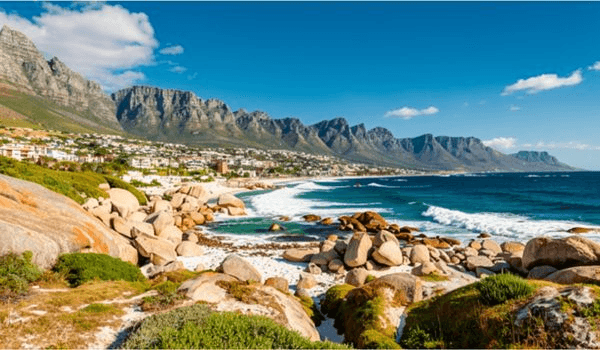
Interesting fact: Table Mountain contains more plant species than the entire United Kingdom and ranks as one of the New7Wonders of Nature. Approximately 2 couples get engaged at the summit monthly. ━━━━━━━━━━━━━━━━━━━━━━━━━━━━━━━━ The Beaches: Camps Bay: Pristine white sand, palm-lined promenade, Twelve Apostles mountain backdrop, upscale beach clubs. The "see and be seen" beach beautiful but touristy. Clifton Beaches: Four sheltered granite coves labeled 1st, 2nd, 3rd, 4th with turquoise water. Wind-protected, upscale atmosphere, frequent celebrity sightings. Instagram-famous. Boulders Beach: Unique opportunity to swim alongside 3,000 wild African penguins in their natural habitat. Entry fee $5. Not a zoo these are endangered penguins living freely. Muizenberg: Famous for colorful Victorian beach huts making an iconic photography spot, gentle waves perfect for beginner surfing, warmer water than Atlantic beaches. Relaxed, family-friendly atmosphere. Bloubergstrand: Best Table Mountain views as you look back across the bay at city skyline, kitesurfing and windsurfing paradise, spectacular sunsets. Less crowded than Camps Bay.
The Cold Water Reality: Atlantic Ocean beaches register 59°F or 15°C due to the Antarctic Benguela Current. The water is stunning but legitimately freezing similar to Northern California beaches. Beaches appear packed with sunbathers but relatively few people actually swim for extended periods. The visual beauty doesn't translate to comfortable swimming conditions.
Practical solutions:
━━━━━━━━━━━━━━━━━━━━━━━━━━━━━━━ Wildlife Beyond the City:
━━━━━━━━━━━━━━━━━━━━━━━━━━━━━━━━ ⚠️ THE REALITY CHECK1. Load Shedding aka Scheduled Power Outages South Africa's national energy grid struggles with demand, causing scheduled rolling blackouts lasting 2-4.5 hours. Called "load shedding," these outages follow published schedules trackable via the free ESP app.
Mitigating factors:
Practical coping strategies:
The adjustment period typically lasts 2-3 weeks before routines naturally adapt to accommodate the schedule. ━━━━━━━━━━━━━━━━━━━━━━━━━━━━━━━━ 2. Safety: Context Determines Experience Cape Town's crime statistics appear alarming without geographic context. The vast majority of violent crime occurs in specific townships like Cape Flats, Lavender Hill, Nyanga, Khayelitsha located far from expat residential areas. These townships are places remote workers would never have reason to visit. In actual expat neighborhoods like Green Point, Sea Point, Camps Bay, Gardens, Tamboerskloof, Woodstock, the safety situation differs significantly. Basic urban precautions apply:
Comparative perspective: Research interviews revealed consistent patterns: remote workers report feeling safer in Cape Town's expat neighborhoods than in certain areas of Los Angeles, San Francisco, Chicago, Philadelphia, or downtown Seattle when following standard urban safety protocols. The key differentiator: proactive caution rather than complacency. Those who treat Cape Town like any major city requiring awareness experience minimal issues. ━━━━━━━━━━━━━━━━━━━━━━━━━━━━━━━ 🎯 WHAT THIS TEACHES US ABOUT LOCATION AS A WEALTH VARIABLEThe pattern across multiple interviews reveals a consistent insight: Remote workers earning $90,000-100,000 in US cities report feeling financially stressed constantly concerned about money despite objectively good incomes. The same individuals earning identical salaries in Cape Town report feeling financially free building substantial savings, traveling internationally multiple times yearly, experiencing zero money-related stress.
The fundamental difference isn't income. It's cost structure. US city scenario: $2,400/month rent for minimal space, no amenities, long commutes, constant financial pressure despite good salary. Cape Town scenario: $600/month rent for superior space with amenities, short commutes, substantial monthly savings enabling future flexibility same salary. This isn't sacrifice or compromise. It's upgrading across virtually every dimension at 75% lower cost. ━━━━━━━━━━━━━━━━━━━━━━━━━━━━━━━━ This exemplifies location as the most underrated wealth variable: Monthly rent isn't just a budget line item. It represents a fundamental choice about what money actually purchases in terms of daily quality of life, financial flexibility, and future options. Most people never consciously question residential location. They follow default patterns:
Widespread remote work has demolished this equation. The relevant question now:
Where should residence be strategically located so existing income works optimally rather than against financial goals?
Cape Town represents one compelling answer among many possibilities. The fact that penthouse apartments with Table Mountain views, walking distance to world-class beaches, access to sophisticated coworking communities, and weekend wine country exploration cost $1,350/month total and less than just rent in most mid-sized US cities proves traditional assumptions about necessary residential locations are obsolete. Location is the single most underrated wealth variable under direct personal control. Once this becomes visible, it cannot be unseen. ━━━━━━━━━━━━━━━━━━━━━━━━━━━━━━━━ ✈️ YOUR NEXT STEPS
1. Join Communities: Facebook groups: "Digital Nomads Cape Town," "Expats in Cape Town," "Cape Town Accommodation" Reddit: digital nomad with search for Cape Town threads YouTube: Watch 5-10 recent vlogs from 2024-2025 2. Book 3-Week Test Run: Airbnb in Green Point or Sea Point for $1,000-1,500 Work from coworking spaces Explore different neighborhoods Meet community members 3. Time Your Visit: Best: November-April as Cape Town summer warm, sunny, peak nomad season Shoulder: September-October, April-May with good weather, fewer tourists, lower prices Winter: June-August with rain and cold, but whale watching season + cheapest accommodation 4. Budget Realistically: First month: $2,000-2,500 for setup costs, exploration, margin for error Once settled: $1,500-1,800 comfortable lifestyle Ultra-budget if strategic: $1,200-1,400 possible 5. Gather Visa Documents: Criminal background check and must be apostilled in home country Remote employment proof Comprehensive health insurance Medical certificate Start process 2-4 weeks before departure 6. Run Your Numbers: Use the Hidden Costs Calculator to compare Cape Town to current city. Factor in:
LINK TO HIDDEN COSTS CALCULATOR coming soon!
This analysis shows whether the math works for YOUR specific situation not about being cheaper, but about being smarter with what money purchases. ━━━━━━━━━━━━━━━━━━━━━━━━━━━━━━━━ P.S. - Cape Town breaks every assumption about international relocation meaning sacrifice. The reality: upgrading infrastructure, safety, and quality of life while spending 54% less. That's not a travel deal. That's a strategic life design decision. Want to see if the math works for your situation? See our Hidden Costs Calculator coming soon. We are also a booking site. See the travel map below. |
0 Comments
Join the conversation
Be the first to comment
Share your thoughts above.