
Should You Travel to Nepal Right Now? What Locals Want International Travelers to Know
What travelers need to know about Nepal flash floods and visiting in 2025
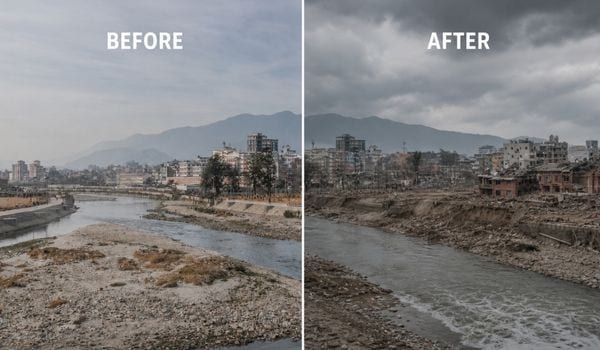
The kind of news that stops travelers in their tracks arrived without warning: a catastrophic glacial outburst and rock collapse tore through the Bhote Koshi and Trishuli river corridors in Nepal's Rasuwa, Nuwakot, and Dhading districts, leaving a trail of destruction that shook the country to its core.
Villages vanished.
Hundreds perished, and thousands more remain unaccounted for, including foreign visitors who had come to witness some of the most breathtaking landscapes on earth.
The sheer scale of the tragedy prompted an outpouring of grief and, almost immediately, a wave of travel cancellations that threatened to compound Nepal's suffering just as its peak tourism season was approaching.
Yet step off a plane at Tribhuvan International Airport in Kathmandu, and a different reality reveals itself.
The capital hums with its familiar energy, motorbikes weaving through traffic, markets buzzing, and temples standing as they have for centuries.
The disaster, as devastating as it is, is geographically concentrated, and that distinction matters enormously for anyone weighing a 2025 visit to Nepal.
Officials at the Nepal Tourism Board have been unambiguous: the country is open.
Major trekking destinations Everest, Annapurna, Manaslu, and Mustang continue to welcome international visitors, their trails unaffected by the flooding in Rasuwa.
Cities like Kathmandu and Pokhara are operating normally, and Chitwan and Lumbini remain fully accessible to visitors.
The message from tourism leaders, hotel owners, and mountain guides is consistent and urgent: canceling a trip to Nepal right now does not help the victims; it deepens the economic wound.
Tourism contributes significantly to Nepal's national economy, and the industry was already navigating a fragile post-pandemic recovery heading into 2025.
The floods dealt an estimated blow running into the tens of billions of rupees in tourism-related losses alone, with hotel bookings dropping sharply and operators fielding a relentless surge of cancellations.
Nepal's Minister for Culture, Tourism, and Civil Aviation made a direct, heartfelt plea to the global travel communityairports remain operational, mountain trails are open, and hotels stand ready to welcome guests.
Traveling to Nepal at this time, officials say, is not merely a holiday; it is an act of solidarity with an entire nation in recovery.
Hospitality and trekking operators across the country echo that call, urging travelers to review itineraries carefully rather than cancel outright and to coordinate with on-the-ground partners for the latest conditions.
Visiting Nepal now in its many safe, unaffected regions is one of the most direct ways the outside world can stand with the communities whose livelihoods depend on Nepal tourism 2025.
Relief organizations are active in the hardest-hit zones, coordinating aid through a centralized government disaster fund designed to ensure long-term rebuilding alongside immediate recovery efforts.
Nepal has faced catastrophe before earthquakes, political upheaval, and a global pandemic and it has always found its way back. This time, it is asking the world not to look away, but to show up. |
0 Comments
Join the conversation
Be the first to comment
Share your thoughts above.